Japan's living treasures.
Serows, rock ptarmigans, Amami rabbits and Akita dogs: discover the animals Japan protects as national and prefectural Natural Monuments, with photos and maps.
203
National202
Prefectural21
Special monuments293
Animal species


Browse by group
From mammals and birds to insects and living fossils like the horseshoe crab.


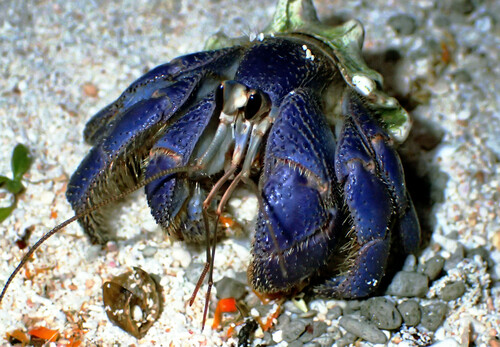


Special Natural Monuments
Special Natural Monuments are the most valuable of all Natural Monuments, designated by the national government: the crown jewels of Japan's wildlife.


Explore on the map
Tap a prefecture to see the animals designated there.
Japan's native breeds
Shiba and Akita dogs, long-tailed chickens and Kiso horses: native domestic animals are protected too.


Frequently asked questions
Special Natural Monuments are national Natural Monuments of especially high national or global value, equivalent to 'National Treasures' among buildings and artworks. They include the crested ibis, oriental stork, rock ptarmigan, Japanese serow and Amami rabbit.
Ikimono Kokuho lists 203 national designations (21 of them Special Natural Monuments) and 202 prefectural designations, covering 293 kinds of animals. Some designate a species itself; others designate a habitat, breeding site or wintering ground.
No. Capturing, harming or altering Natural Monuments requires permission from the Commissioner for Cultural Affairs (or the prefectural board of education) and is punishable without it. Watch from a distance and never feed the animals.
Do not handle it. Contact the local municipal board of education (cultural properties section), the prefectural office or a wildlife protection centre.
Yes. Native domestic animals unique to Japan are designated too, including Japanese dog breeds such as the Shiba and Akita, native chickens such as the long-tailed Onagadori, Mishima cattle and Misaki horses.